
Handwritten Momentum in a Screen-Saturated Age
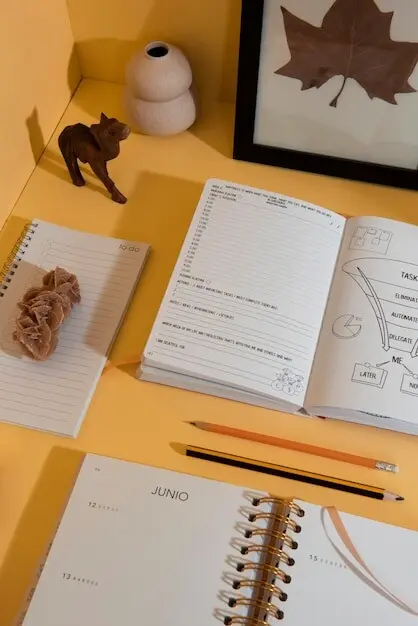
Today we dive into analog productivity in a digital world, celebrating notebooks, index cards, and deliberate handwriting as powerful companions to modern tools. Expect practical workflows, research-backed benefits, and stories that prove slower methods can move work faster with clarity and calm.

Why Paper Still Wins When It Matters

Handwritten notes demand intention, slowing thought just enough to separate noise from signal. Studies comparing longhand and laptop note‑taking show deeper conceptual recall when you process ideas on paper, and many professionals report fewer context switches. When decisions carry weight, the tactile pause anchors attention, reveals hidden assumptions, and preserves a trustworthy record you can spread across a table.

Cognitive friction that clarifies intent

Paper introduces helpful resistance: you preview a sentence before committing ink, feel lines guide structure, and notice when a task description bloats. That micro‑drag filters impulses, making priorities explicit and next steps concrete, especially when momentum tempts you to chase whichever notification sparkles brightest.

Memory pathways strengthened by handwriting

Encoding information by hand increases distinctiveness and spatial cues: margins, doodles, and underlines become landmarks your brain revisits. Instead of flat transcripts, you create maps of meaning. Later reviews are faster, and stressful meetings feel less chaotic because understanding sticks where it was created.

Tools That Earn Their Place on Your Desk

Choose durable, simple instruments that invite use and survive years: a pocket notebook, sturdy index cards, a trustworthy pen, a wind‑up timer, and a clipboard. Each solves a clear job without drama. When tools are boringly reliable, you reserve creativity for problems instead of settings.

The pocket notebook that never needs charging

Tuck a small notebook in your jacket or bag and treat it like a lightning rod for wandering thoughts. Capture errands, phrasing, sketches, and overheard ideas before they evaporate. Later, process pages during a calm review window, translating scribbles into clear actions or archive notes.

Index cards as modular building blocks

Give every project a dedicated stack. One idea per card keeps thinking atomic, sortable, and remixable across sessions. Storytellers, researchers, and product managers have used this method for decades because shuffling tangible pieces exposes structure faster than scrolling huge documents for half‑remembered fragments.

Pens and paper that invite deliberate pace

Choose a pen that glides but doesn’t race ahead of thought, paired with paper that resists bleed‑through and smearing. Comfort matters; you will return to tools that feel kind to your hand. That small pleasure compounds into longer, calmer sessions and clearer output over time.

Hybrid Workflows: Marrying Paper and Pixels
Capture offline, curate online

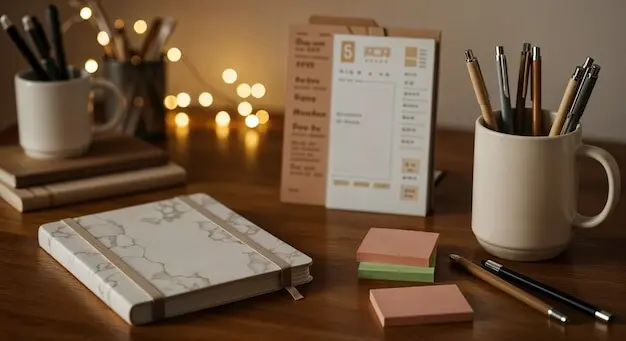
During work blocks, write freely without apps open. Afterward, transcribe the few commitments that truly survived scrutiny. By batching this bridge, you avoid constant context switching, reduce duplicate entries, and keep your digital tools lean, reflecting reality instead of an aspirational fog of someday promises.

Daily cards feeding a digital archive

During work blocks, write freely without apps open. Afterward, transcribe the few commitments that truly survived scrutiny. By batching this bridge, you avoid constant context switching, reduce duplicate entries, and keep your digital tools lean, reflecting reality instead of an aspirational fog of someday promises.

A calendar bridge that respects focus

During work blocks, write freely without apps open. Afterward, transcribe the few commitments that truly survived scrutiny. By batching this bridge, you avoid constant context switching, reduce duplicate entries, and keep your digital tools lean, reflecting reality instead of an aspirational fog of someday promises.

Rituals and Routines That Stick

Ritual turns intention into gravity. Morning pages clear mental residue; a mid‑day card resets priorities; an evening shutdown seals the container. Writers, engineers, and managers report steadier energy when simple analog checkpoints pace the day. Share your favorite routine and subscribe to compare notes over time.

Designing an Analog-First Workspace

A calm workspace makes good habits louder than willpower. Keep only the current page visible; everything else lives in trays labeled next, later, archive. A physical Kanban on the wall reduces ambiguity at a glance. Gentle lighting, a comfortable chair, and reachable supplies remove avoidable friction.

Measuring Progress Without Killing Flow

Metrics can encourage action or smother it. Favor lightweight marks that sit beside the work: a daily chain of checkboxes, a five‑bar time log, a simple score for energy. Reviews happen on paper first, translating only the few numbers that genuinely inform strategy.
Pirasanoravozorizentofari
Privacy Overview

This website uses cookies so that we can provide you with the best user experience possible. Cookie information is stored in your browser and performs functions such as recognising you when you return to our website and helping our team to understand which sections of the website you find most interesting and useful.