
Write It to Remember: How Pen Strokes Shape a Sharper Mind


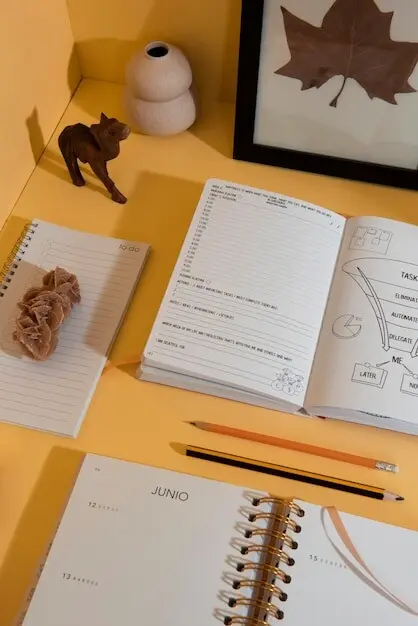
Inside the Brain: The Handwriting Advantage
Remember More, Forget Less
Conceptual Notetaking Beats Transcription
When you stop chasing every sentence and instead design a concise map, you force semantic decisions that create sturdy memory traces. Research on longhand note-taking shows better performance on application questions because interpretation matters more than capture. Try compressing each page into three bold lines, supported by sketches or arrows. Later, those anchors rehydrate complex content quickly, helping you teach, synthesize, and adapt ideas without rereading entire chapters or replaying lengthy recordings.
Spacing, Retrieval, and Margins
Set aside brief sessions to revisit pages at increasing intervals, answering margin questions from memory before peeking. This effortful recall strengthens pathways and highlights weak spots. Use symbols to flag confusions, wins, and possible experiments. Returning to the same physical layout triggers contextual cues, accelerating reconstruction. Over weeks, your notebook becomes a rehearsed performance rather than a cluttered archive. Progress feels visible, because your marks, dates, and corrections show a tangible trail of understanding.
Stories on the Page
Narrative structures help memory stick. Try giving complex topics a beginning, conflict, and resolution across a spread. Write characters as concepts, motives as constraints, and turning points as breakthroughs. Handwritten arrows, borders, and asides reinforce pacing. The storyline guides recall later, even under pressure, because events are easier to remember than isolated facts. By dramatizing causal links in ink, you transform abstraction into scenes your mind revisits willingly, long after initial exposure fades.
Focus Without Notifications

Single-Task Rituals
Mindful Lines and Loops
Designing a Distraction-Resistant Desk
Analog Productivity Systems That Actually Stick
Bullet Journal, Evolved
Keep bullets minimal: tasks, notes, and decisions. Add a left margin for energy estimates and a right margin for outcomes. Schedule migrations at week’s end, asking why items stalled. Rewrite only what you still intend to do. The discomfort of rewriting nudges clarity. Layer gentle trackers—sleep, focus, and wins—without turning pages into spreadsheets. Your notebook remains a living conversation with priorities, responsive to seasons, yet anchored by marks you can read at a glance.
Time-Blocking by Hand
Sketch hours down the margin and block commitments with bars, shading deep work in darker lines. Leave breathing spaces between blocks for resets. Writing blocks forces realism; there is only so much ink to place. At day’s end, annotate deviations, not with blame, but curiosity. Patterns emerge quickly: overstuffed mornings, missing buffers, fragile transitions. Tightening these loops on paper builds a sense of rightful pace, turning ambition into sequences you can steadily repeat.
Choose the Right Pen or Pencil
Paper, Formats, and Layouts
Healthy Posture and Speed
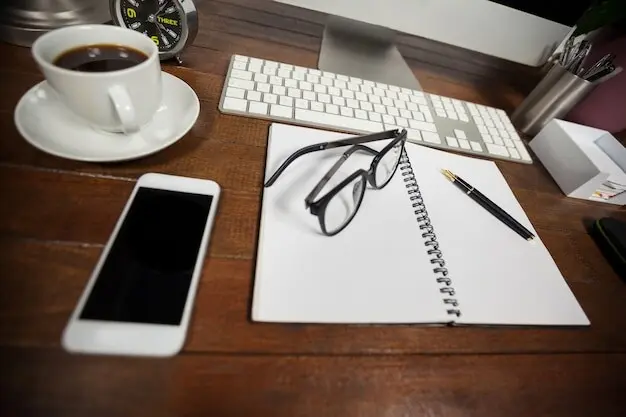
Hybrid Workflows: Paper Meets Cloud
Creativity, Ideas, and Flow

All Rights Reserved.